How Do Toddlers Learn?

Toddlers learn through a rich blend of play, guided interactions and carefully designed environments, allowing them to build essential skills while they explore. This process is rooted in child centred early years approaches that value each child’s unique interests and pace of development. At settings like Jack and Jill’s Day Nursery, learning unfolds naturally throughout […]
What Is Forest School In Early Years?

Forest School is a child-led outdoor learning approach where children attend regular sessions in a natural environment such as woodland or green outdoor space. Rather than focusing on structured lessons, children are encouraged to explore, investigate and play freely using natural materials. Skilled practitioners observe and gently guide learning, following each child’s interests and supporting […]
How To Choose The Right Nursery For Your Child

Choosing the right nursery for your child means finding a setting where they are safe, emotionally supported and stimulated to learn in a way that suits their individual needs. This decision often feels overwhelming because it is one of the first major choices parents make on behalf of their child. A good nursery lays foundations […]
What Do Preschoolers Learn?

Preschoolers learn a wide variety of skills that form the foundation for lifelong learning, from early academic concepts to social, emotional and physical abilities. These early years are crucial for brain development and help children gain the confidence and curiosity they need to succeed in school. Through play, interaction and guided activities, preschoolers start to […]
What Is Group Learning In Early Years?
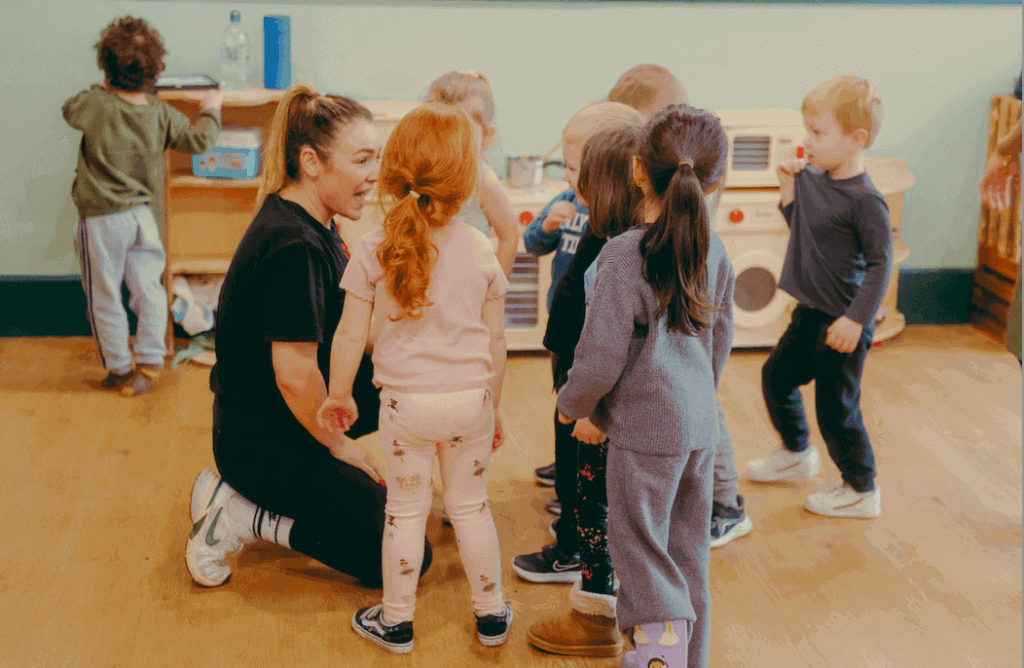
Group learning in the early years refers to structured and unstructured activities where young children learn alongside their peers, developing skills through shared experiences, collaboration and social interaction. It encompasses everything from circle time and small group games to paired problem solving, outdoor exploration and creative projects. Rather than relying solely on adult-led instruction, group […]
How Old Should Children Be To Start Pre-School?

Most children start pre-school between the ages of three and four years old, when they are developmentally ready to learn through structured play, follow simple routines and socialise with other children. However, every child is unique and readiness can vary widely depending on their emotional, physical and social development. What Is Pre-School And Why Does It […]
What Are The Benefits Of Forest School?

The benefits of forest school are that it nurtures confidence, independence and a lifelong connection to nature while supporting emotional, social and physical development in children. This approach to learning has grown steadily across the United Kingdom, as schools and nurseries seek to offer young people experiences that extend beyond the classroom and into the […]
Is Preschool Worth It?

Preschool is worth it because it provides children with foundational skills that help them succeed academically, socially and emotionally before starting primary school. Early years education offers a structured environment where children can develop literacy and numeracy skills, while also learning how to interact with peers, follow routines and build independence. According to the National […]
Why Are Forest Schools Important?

Forest schools are important because they provide children with opportunities to learn, explore and develop in natural outdoor environments, fostering skills that traditional classrooms may not always nurture. They encourage creativity and confidence, helping young learners grow into well-rounded individuals. In fact, a study by the Institute of Outdoor Learning found that 92% of children […]
Is Preschool Everyday?
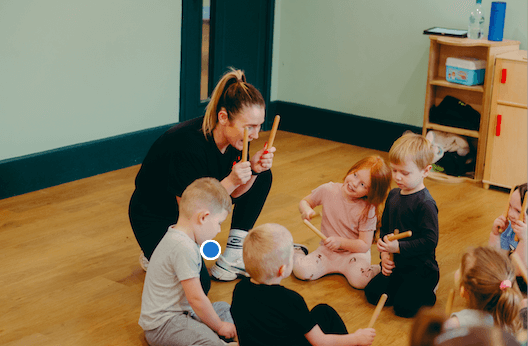
Preschool attendance does not have to be everyday, but many children benefit from regular full-time or part-time or full-time schedules tailored to their needs. While there is no one-size-fits-all answer, studies indicate that full-day preschool greatly boosts school readiness, with approximately 80.9% of full-day attendees meeting key developmental milestones, compared to just 58.7% of part-time […]