
The benefits of forest school are that it nurtures confidence, independence and a lifelong connection to nature while supporting emotional, social and physical development in children. This approach to learning has grown steadily across the United Kingdom, as schools and nurseries seek to offer young people experiences that extend beyond the classroom and into the natural world.
How Did Forest School Begin?
Forest school originated in Scandinavia in the 1950s, where outdoor learning formed a core part of early years education. British educators visiting Denmark and Sweden were struck by the confidence of children who spent much of their day outside, regardless of weather.
Since its introduction to the UK in the 1990s, the model has been embraced by many nurseries, schools and community groups. It is now increasingly recognised as a powerful complement to traditional education.
How Does Forest School Improve Confidence And Independence?
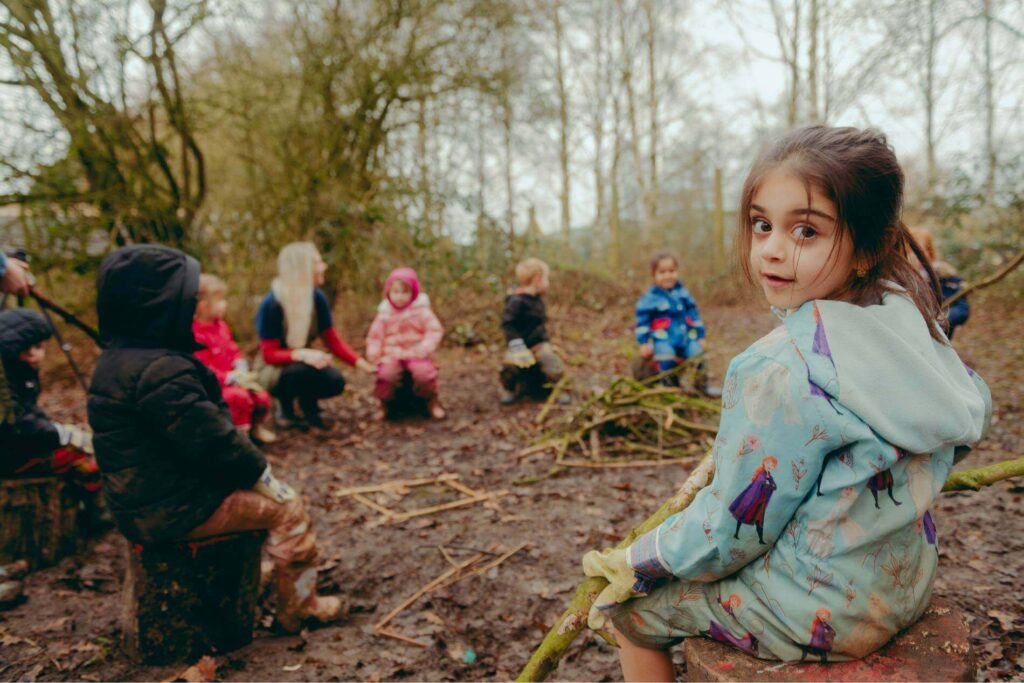
One of the most consistent outcomes observed in forest school sessions is a rise in children’s self confidence. The outdoor environment provides opportunities to take manageable risks, such as climbing trees, lighting fires under supervision or using tools safely.
With careful guidance, children learn to trust their own abilities. They also develop resilience when tasks do not go as planned. Over time, this builds independence and a willingness to try new challenges, qualities that are invaluable both in education and later life.
In What Ways Does Forest School Support Social Skills?
The forest school setting encourages collaboration and communication. Activities are often group based, whether building shelters, cooking over a campfire or creating artwork from natural materials. These shared experiences nurture teamwork, problem solving and empathy.
Children must listen to one another, share ideas and take responsibility within a group. Teachers often note that pupils who are quieter in the classroom environment find their voice outdoors, where the open space and freedom of movement help them feel less pressured.
How Does Forest School Enhance Physical Health?
Spending extended periods outside contributes to better physical wellbeing. Climbing, running, digging and balancing all strengthen coordination and gross motor skills. Exposure to fresh air and natural light supports general health and can reduce the risk of vitamin D deficiency, which is a concern for children who spend much of their time indoors.
Regular movement also counters the sedentary lifestyle associated with long hours of screen use. According to a 2022 report by the Office for National Statistics, children in the UK now spend an average of over 4 hours per day on screens, highlighting the importance of opportunities for active outdoor play.
How Does Forest School Benefit Mental Wellbeing?
Time spent in natural environments is linked to lower stress and improved mood. Forest school sessions allow children to unwind in calm and restorative surroundings, which can be particularly beneficial for those experiencing anxiety or difficulties in traditional classroom settings.
The sensory richness of the outdoors, from the sound of birds to the feel of bark or soil, grounds children in the present moment and provides a soothing counterbalance to the noise and pace of daily life. Many practitioners report noticeable improvements in self regulation and behaviour among regular attendees.
How Does Forest School Encourage Creativity And Imagination?
Without the fixed resources of a classroom, children are encouraged to use their imagination and creativity. A stick can become a wand, a tool or a part of a structure. Mud, leaves and stones transform into materials for art and design.
This open ended play fosters innovative thinking and problem solving skills. Teachers often observe that the creativity developed outdoors carries back into more formal learning, improving writing, storytelling and artistic expression.
In What Ways Does Forest School Connect Children With Nature?
One of the most lasting benefits of forest school is the bond it forms between young people and the natural world. Regular exposure to woodlands and green spaces instils respect and appreciation for the environment.
Children who learn to value nature are more likely to become adults who make sustainable choices. In an age of growing concern about climate change and biodiversity loss, this connection may be one of the most important legacies of forest school.

Is Forest School Suitable For All Children?
Forest school is inclusive by design. The flexible child led approach means that activities can be adapted to suit different abilities, ages and needs. For children who find classroom learning challenging, the outdoor setting often provides an alternative route to success.
Achievements are not measured by tests but by personal progress and the development of skills at each child’s own pace. This makes forest school particularly effective in supporting children with additional needs or those who benefit from hands on learning.
What Is the Lasting Impact?
The skills developed in forest school reach far beyond childhood. Confidence, teamwork and respect for the environment remain valuable throughout life.
Parents and teachers frequently report that children return from sessions calmer, more focused and more enthusiastic about learning. In this way, forest school strengthens not only individual growth but also the broader school community.
The Bottom Line
The benefits of forest school are wide ranging, encompassing confidence, social development, physical health, emotional wellbeing, creativity and a lasting connection to the environment. In a world where children face increasing academic pressures and reduced contact with nature, forest school offers a refreshing and vital balance.