
Toddlers learn through a rich blend of play, guided interactions and carefully designed environments, allowing them to build essential skills while they explore. This process is rooted in child centred early years approaches that value each child’s unique interests and pace of development. At settings like Jack and Jill’s Day Nursery, learning unfolds naturally throughout each day through play and purposeful activities.
What Role Does Play Have In Toddlers’ Learning?
Play is the cornerstone of learning in toddler years and is recognised as a powerful educational tool. Free play allows children to follow their curiosity, make choices and develop independence as they interact with materials, peers and environments. Through play, toddlers begin to understand language, problem solving and social rules in ways that are engaging and meaningful to them.
Guided play builds on free play by introducing gentle support from adults without taking over, helping children deepen their understanding and stretch their thinking. It encourages toddlers to take on new challenges and practise emerging skills with confidence and excitement. This balance nurtures the foundations of learning for later tasks such as reading, counting and communication.
Teacher led activities add further structure while remaining playful, helping toddlers focus on specific skills such as counting, storytelling, early phonics or creative expression. These activities are carefully planned to match each child’s development and interests. In doing so, toddlers begin to connect concepts with real experiences, which strengthens long term memory and learning habits.
How Do Environments Influence Toddler Learning?
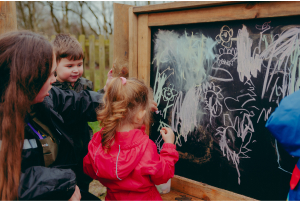
A thoughtfully prepared environment invites interaction, discovery and exploration at every turn. Indoor spaces filled with books, creative materials, music areas and role play resources stimulate imagination and language development. Outdoor spaces, including forest schools, encourage risk taking, physical activity and sensory experiences that support broader learning across many domains.
Toddlers benefit when environments offer predictable routines, clear expectations and resources they can access independently. Such settings help children feel secure and confident, which research shows supports sustained engagement and deeper learning. According to early years guidelines, environments that support choice and challenge can increase sustained attention in toddlers by up to 40%.
Exposure to different materials and experiences also helps toddlers form connections between ideas, such as recognising shapes during play and counting naturally as they move objects. Outdoor exploration supports physical development while linking to communication, maths and scientific thinking. These experiences together build a holistic foundation that prepares toddlers for future learning.
Why Are Relationships Important In How Toddlers Learn?
Toddlers learn best in the context of warm, responsive relationships with adults and peers. Trusting bonds with caregivers create a sense of safety that allows children to explore, take risks and express curiosity without fear. Through interactions with adults, toddlers learn language, social norms and emotional regulation.
Another key aspect of learning is peer interaction, where toddlers practise sharing, turn taking and cooperative play. These experiences build social skills that are essential for later group learning at school. In supportive settings, toddlers are guided to express their needs and feelings effectively, which strengthens communication skills and emotional understanding.
What Everyday Experiences Support Toddler Learning?
Everyday routines provide rich learning opportunities that extend beyond formal activities. Mealtimes help toddlers learn about healthy choices, self help skills and social interaction as they chat, serve and eat together. Story times introduce early literacy, vocabulary and listening skills as children engage with narratives and pictures.
Hands on experiences such as gardening, music, dance and art encourage toddlers to explore textures, rhythms and colours in ways that connect with wider learning. These activities help children practise fine and gross motor skills while experiencing joy and creativity. Statistically, around 85% of brain development happens before the age of 3 years old, meaning these everyday interactions are central to shaping learning pathways in toddlerhood.

How Does Adult Support Enhance Learning?
Adults in high quality early years settings act as observers, facilitators and co-explorers in children’s play. They carefully watch children’s interests and skill levels and provide just enough support to move learning forward without taking control. This approach encourages toddlers to solve problems on their own.
By using open ended questions, providing new vocabulary and modelling curiosity, adults help toddlers make sense of their world. Guidance from skilled practitioners connects play with developmental goals, ensuring that learning is intentional without being forced. Regular feedback to parents about activities and progress ensures continuity of learning between nursery and home.
What Is The Big Picture of Toddler Learning?
Overall, toddlers learn best in environments that are playful, responsive and rich in opportunities for exploration. A blend of free play, guided play and adult supported activities helps children develop cognitive, social and emotional skills. With strong relationships, meaningful routines and thoughtful environments, learners flourish and build a strong foundation for lifelong learning.
Remember that every child learns differently, so patience, observation and encouragement are key to supporting their unique path. By valuing play and connection, we honour the way toddlers naturally explore, discover and grow.