
Choosing the right nursery for your child means finding a setting where they are safe, emotionally supported and stimulated to learn in a way that suits their individual needs. This decision often feels overwhelming because it is one of the first major choices parents make on behalf of their child.
A good nursery lays foundations not only for early learning but also for confidence and relationships. Taking time to understand what truly matters will help you choose with clarity rather than pressure.
What Environment Will Help My Child Feel Secure?
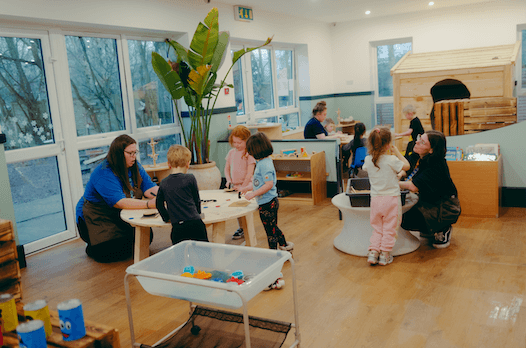
A nurturing environment is the cornerstone of any good nursery, as young children learn best when they feel safe and settled. When visiting a nursery, pay attention to how calm and welcoming the space feels and how children move within it.
Are the children relaxed, engaged and comfortable approaching adults? A warm atmosphere, familiar routines, healthy eating and cosy areas for rest all contribute to a sense of security that allows children to thrive.
It is also worth noticing how the nursery supports emotional development. Staff should acknowledge children’s feelings, help them name emotions and gently guide them through challenges. This emotional literacy support is just as important as early academic learning.
How Important Are The Staff And Their Qualifications?
The quality of staff is often the single most important factor in a child’s nursery experience. Qualified practitioners bring knowledge of child development, but equally vital is their ability to connect with children in a genuine and caring way. Observe how staff speak to children, whether they listen attentively and whether interactions feel respectful rather than rushed.
Consistency matters too, as young children form attachments with familiar adults. Nurseries with low staff turnover often provide more stability. According to the Department for Education, settings that meet recommended adult to child ratios are more likely to deliver high quality care, which directly affects children’s wellbeing and progress.
What Learning Approach Suits My Child Best?
Different nurseries interpret early years education in different ways, so it is helpful to understand their philosophy. Some focus more on structured activities, while others prioritise play led learning where children’s interests guide the day. Neither approach is inherently better, but one may suit your child’s temperament more than another.
Look for a balance between freedom and gentle guidance. Activities should encourage curiosity, problem solving and creativity without pushing children too quickly. A strong nursery recognises that learning happens through play, conversation, exploration and everyday routines.
How Does Outdoor Play Support Development?
Access to outdoor space is more than a nice extra, it is a vital part of early development. Fresh air, movement and contact with nature support physical health, emotional regulation and concentration. Nurseries that value outdoor learning often see children who are more confident and adaptable.
Jack and Jills Day Nursery in Hemel Hempstead is a strong example of this approach, offering forest school experiences that allow children to explore woodland environments in all seasons. Through activities like den building, nature observation and outdoor storytelling, children develop independence and a sense of wonder that is difficult to replicate indoors.

What Role Do Parents Play In The Nursery Relationship?
A good nursery sees parents as partners rather than outsiders. Open communication helps you feel involved in your child’s day and reassured about their progress. Ask how the nursery shares updates, discusses development and responds to concerns.
Trust your instincts when speaking to staff. You should feel listened to and respected, as this relationship sets the tone for your child’s experience. When parents and practitioners work together, children benefit from consistent support across home and nursery life.
How Can I Judge Quality And Reputation?
While recommendations from other parents are valuable, formal inspections also offer insight. Ofsted reports provide information about safeguarding, teaching quality and leadership. In recent years, around nine in ten early years settings in England have been rated good or outstanding, but reading the detail behind the rating helps you understand strengths and areas for improvement.
The Bottom Line
Visit more than one nursery if possible and reflect on how each made you feel. The right choice often combines practical considerations with an emotional sense of trust.
Choosing a nursery is about finding the right fit for your child and your family. When a setting offers warmth, skilled staff, thoughtful learning and enriching experiences like forest school, it can become a place where your child grows with confidence and joy.