
Forest schools are important because they provide children with opportunities to learn, explore and develop in natural outdoor environments, fostering skills that traditional classrooms may not always nurture. They encourage creativity and confidence, helping young learners grow into well-rounded individuals.
In fact, a study by the Institute of Outdoor Learning found that 92% of children who took part in regular outdoor sessions showed improved confidence and social skills.
Why Is Forest School Important?
Forest school is important because it helps children connect with nature while learning essential life skills. Activities like building dens, exploring woodlands and working with natural materials give children the chance to take supported risks and solve problems.
These experiences create a sense of independence, teamwork and perseverance, which are valuable far beyond their early years.
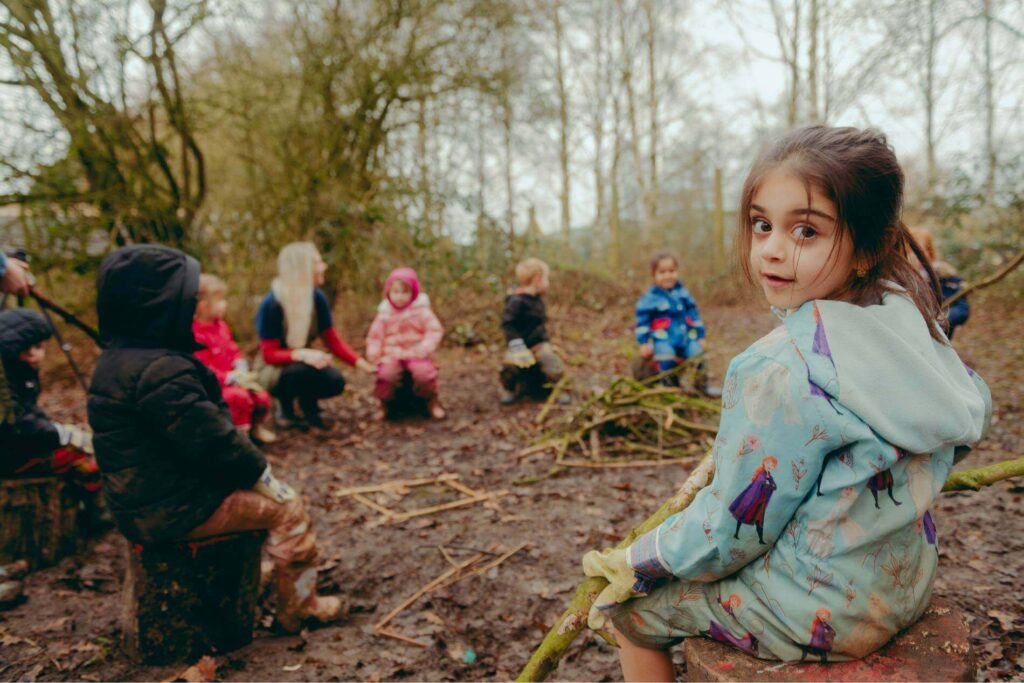
How Does Forest School Benefit Early Years Development?
For young children, learning outdoors complements early years education by supporting physical, emotional and cognitive development. Climbing trees, balancing on logs and playing in open spaces improve motor skills, while open-ended play strengthens creativity. Socially, children learn to communicate, cooperate and manage conflicts in a natural and engaging setting.
What Skills Do Children Learn at Forest School?
Children develop a wide variety of skills at forest school, ranging from practical abilities to personal growth. They might learn how to identify plants, understand the seasons or safely use tools under supervision.
More importantly, they gain problem-solving skills and a stronger sense of responsibility for themselves and the environment. These abilities lay solid foundations for both academic success and personal wellbeing.
Why Is Nature So Valuable For Learning?
Spending time in natural settings has been shown to reduce anxiety, improve concentration and boost mood. For children, this translates into better focus when they return to classroom-based learning.
The sights, sounds and textures of the outdoors also provide rich sensory experiences that support brain development, making forest schooling an ideal complement to traditional early years education.
Is Forest School Just About Outdoor Play?
Forest school is far more than simple outdoor playtime. While fun is a major part of the experience, every activity is guided by a learning objective.
Whether it is teamwork during a group challenge, counting sticks for a maths exercise or storytelling around a campfire, forest school combines play with purposeful education.
How Does Forest School Support Social Development?
Forest school places a strong emphasis on group activities and shared responsibilities. Children learn to listen, collaborate and value the contributions of others, which builds confidence in social situations.
These experiences also encourage empathy and emotional intelligence, helping children develop healthy relationships with peers and adults alike.
Can Forest Schools Help With Academic Learning?
Yes, forest schools complement academic subjects by making learning practical and engaging. Counting leaves or estimating the height of trees makes maths tangible, while observing insects or weather patterns strengthens science understanding. These hands-on activities spark curiosity and make abstract ideas easier to grasp, bridging the gap between play and structured education.
Are Forest Schools Inclusive?
Forest schools are designed to be inclusive, catering to children of different abilities, learning styles and backgrounds. Outdoor learning gives every child the freedom to engage in ways that suit them best. For example, quieter children may find confidence in exploring independently, while more active learners thrive in the physical challenges nature provides.
Why Do Parents Value Forest Schools?
Parents often appreciate that forest schools give children experiences that are increasingly rare in modern life. Time spent outdoors is limited for many families, and forest schooling ensures children develop a connection with nature that benefits their health and wellbeing. Parents also see the benefits in their child’s independence, problem-solving skills and enthusiasm for learning.
What makes forest schools especially powerful is the way they work alongside traditional nursery and preschool education. By combining structured indoor learning with the freedom of outdoor exploration, children get the best of both worlds.
At Jack and Jill’s, our forest school in Hemel Hempstead is an example of how nurseries are embracing this approach, giving children opportunities to thrive both in the classroom and in nature.

Final Thoughts
Forest schools are important because they prepare children not just for academic success, but for life itself. By fostering independence and teamwork through outdoor learning, they give children essential skills in a joyful and engaging way.
In an age where nature is often overlooked, forest schools remind us of its vital role in education and development, shaping confident, capable and curious learners.